Why Small Assisted Living Communities Excel at Medication and ADL Management
Business Name: BeeHive Homes of Pagosa Springs
Address: 662 Park Ave, Pagosa Springs, CO 81147
Phone: (970-444-5515)
BeeHive Homes of Pagosa Springs
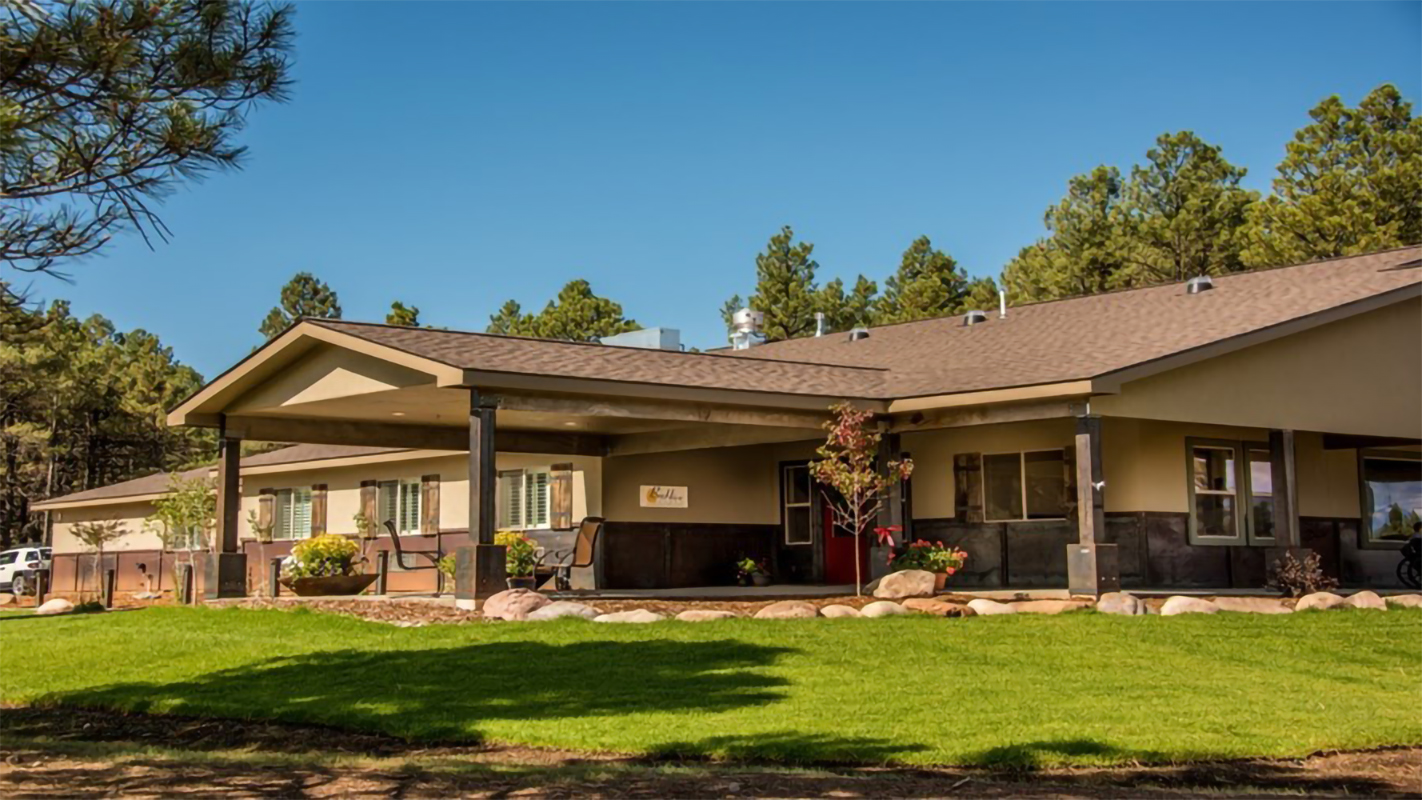
Beehive Homes of Pagosa Springs assisted living care is ideal for those who value their independence but require help with some of the activities of daily living. Residents enjoy 24-hour support, private bedrooms with baths, medication monitoring, home-cooked meals, housekeeping and laundry services, social activities and outings, and daily physical and mental exercise opportunities. Beehive Homes memory care services accommodates the growing number of seniors affected by memory loss and dementia. Beehive Homes offers respite (short-term) care for your loved one should the need arise. Whether help is needed after a surgery or illness, for vacation coverage, or just a break from the routine, respite care provides you peace of mind for any length of stay.
662 Park Ave, Pagosa Springs, CO 81147
Business Hours
Families rarely tour an assisted living community due to the fact that life is going efficiently. More often, something has slipped: a medication mix‑up, a fall throughout a nighttime bathroom trip, a pot left on the range. By the time individuals start comparing senior care alternatives, they have actually already seen how vulnerable everyday regimens can become.
Over the years I have viewed both large and small communities manage these problems. The difference in how they manage medications and activities of daily living, or ADLs, is hardly ever about nicer furnishings or a BeeHive Homes of Pagosa Springs elderly care bigger lobby. It is about whether personnel actually know each resident, notice tiny modifications, and have adequate time and structure to act upon what they see.
Small assisted living communities are not perfect, and they are not right for every individual. However when it concerns managing medications and ADLs securely and gracefully, they often have peaceful benefits that households do not see on a brochure.
What "small" truly means in assisted living
When I state small, I am speaking about neighborhoods that house roughly 6 to 40 homeowners, not 80 to 200. In lots of states these are called residential care homes, board and care homes, or group homes. Some are regular homes that have been converted and certified for elderly care; others are purpose‑built however still intimate.
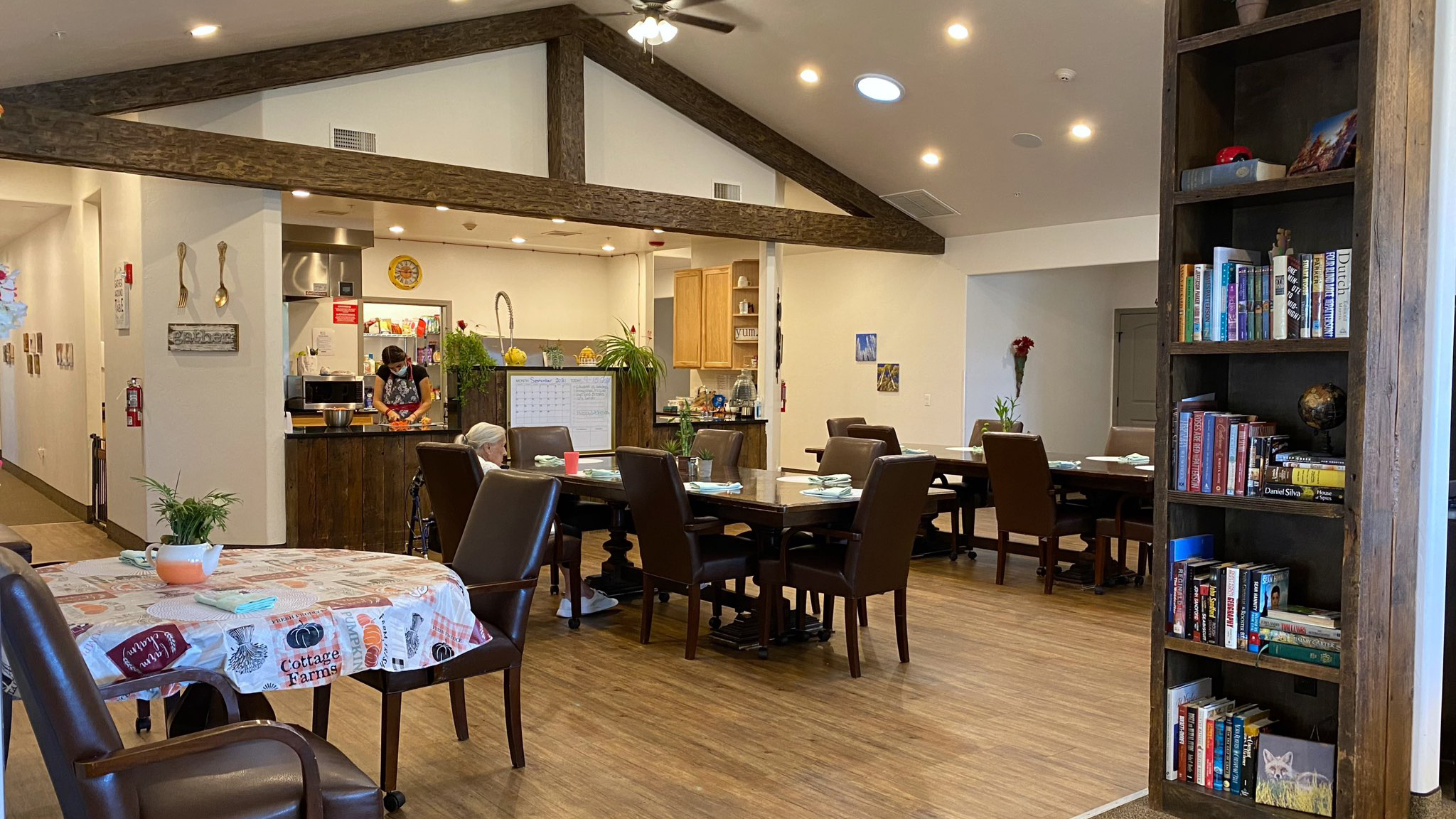
Daily life in these settings feels different the minute you walk in. You hear staff use given names without glancing at charts. You may see the same caretaker who assisted with breakfast likewise assisting with medication suggestions and the afternoon shower. The structure might not have a cinema or a beauty parlor, however you can usually find the nurse or administrator within a few steps.
That scale influences everything about medication management and ADL support.
The core difficulty: precision and pattern recognition
Managing medications and ADLs is not simply a list workout. It is a pattern acknowledgment problem.
For medications, the dangers are subtle. A missed high blood pressure pill might appear like a little extra tiredness. An unexpected double dose of insulin can become a medical emergency situation. The genuine skill depends on identifying small changes in appetite, state of mind, gait, or sleep that mean a medication problem before it escalates.
The same is true for ADLs. A person who unexpectedly has a hard time to button a shirt or gets confused in the shower may be handling discomfort, infection, dehydration, side effects of a new drug, or cognitive decrease that has advanced. If nobody notices for a week, one bad night can lead to a fall, a hospitalization, and a long-term loss of independence.
Small assisted living communities have two structural advantages here: personnel attention per resident and continuity of relationships.
More eyes on fewer residents
In a common small neighborhood, frontline caretakers are responsible for a modest group, often 4 to 8 citizens per shift, sometimes less in higher‑acuity homes. In numerous bigger assisted living settings, those ratios can climb up much greater, particularly on evenings and nights.
That distinction changes how care is delivered.
In smaller settings, caretakers are simply closer to the rhythm of each resident's day. If Mrs. Alvarez generally eats her entire omelet and suddenly leaves half untouched, the staff member who serves breakfast is probably the exact same one who manages her early morning medication pass. They notice the change and can instantly ask: Did a tablet feel stuck? Any queasiness? Did you sleep improperly? That real‑time loop is hard to reproduce in a larger structure where departments are separated and personnel turn through broader zones.
This closeness shows up strongly around ADLs. When a caretaker assists somebody gown, they feel stiffness in the shoulders that was not there last week. When they assist with bathing, they may see a new contusion, a skin tear, or swelling around the ankles. Because the group is small and familiar, the caretaker is not handing off that observation to three other individuals; they are frequently telling the nurse or med tech directly, within minutes.
Over time, small deviations get dealt with early, rather than waiting for a quarterly care plan conference while problems accumulate silently.
Medication management in a small neighborhood: what is different
Most states hold small and big assisted living communities to the same fundamental medication requirements. Both should track medications, follow doctor orders, and document administration. The genuine difference can be found in how those guidelines get lived out hour by hour.
Tighter medication regimens and fewer handoffs
In small homes, the exact same individual or small team usually manages the medication pass for all locals on a shift. There are fewer handoffs between med techs, and far fewer opportunities for "I believed you provided it" confusion.
Medication carts are easier. You do not see 3 long corridors and 40 med drawers. You see a locked cabinet or a modest cart that holds medications for a handful of people who are often sitting right in front of you at the dining room table.
Because of the scale, many small neighborhoods can set up medication times around the resident, not just the staffing grid. If Mr. Greene gets nauseated when he takes his early morning meds on an empty stomach, the team can easily move his medications to associate his breakfast routine, instead of forcing him into a stiff building‑wide death schedule.
Better positioning between medications and day-to-day life
It is one thing to check out that a medication needs to be taken with food. It is another to stand at the counter and see whether a resident actually swallows it while eating.
I have seen caregivers in small homes instinctively weave medication look into the circulation of the day. They will set a cup of water by a resident's preferred recliner 15 minutes before the afternoon dose is due, then sit and talk while they verify the tablets are taken. If there is a "PRN" medication purchased as needed for discomfort or anxiety, they typically understand precisely how often it is really needed since they have a feel for that resident's standard mood and pain level.
That much deeper baseline knowledge is critical for older adults who see numerous physicians. Many citizens show up with intricate routines: a medical care medical professional, a cardiologist, a neurologist, in some cases a discomfort specialist. Each may change a couple of prescriptions, and without close observation, adverse effects blur into each other. In a small setting, it is much more most likely that the very same caretaker notifications that the new sleep medication has accompanied more daytime falls or that the dosage boost has actually made someone withdrawn.
When those patterns appear, a nurse or administrator can call the prescriber with concrete, day‑by‑day observations instead of unclear concerns. That typically results in more accurate modifications and less unneeded drugs.
Fewer missed doses and errors
No setting is immune to mistakes, but small communities usually have 3 useful safeguards:
- Staff who know residents by sight and character, so it is harder to misidentify someone or forget their preferences.
- Slower, more focused med passes, given that there are fewer individuals to serve in a brief window.
- Less turnover in the med‑administration role, so routines become 2nd nature.
I remember a resident in a 10‑bed home who had an aesthetically comparable bottle of vitamin D and a heart medication. Throughout a weekly internal audit, the supervisor discovered the capacity for confusion and separated the bottles, updated labeling, and retrained the staff. In a building with 100 citizens and dozens of medications per cart, catching a small risk like that is much harder.
Families often fret that a smaller operation indicates less structure. In well‑run homes, the opposite holds true: execution of the guidelines is tighter since the group is small enough to hold each other accountable.
ADL assistance: where small homes quietly shine
ADLs consist of bathing, dressing, grooming, toileting, moving, and consuming. When people tour communities, they frequently ask, "Do you help with showers?" or "Will someone aid Mom to the restroom at night?" That is only half the story. How the aid is provided matters simply as much.
Care that moves at the resident's pace
In a bigger building, shower slots can feel like airport boarding groups: everybody slotted into a tight schedule so the staff can get through the list. That can work on paper however frequently results in hurried, impersonal take care of homeowners who move slowly, are anxious in the restroom, or have actually dementia.
In smaller settings, there is more genuine versatility. If Mrs. Lin will just shower after her morning tea and Chinese news program, staff can usually respect that. If Mr. Rozier needs a brief sit‑down in between putting on trousers and socks since of cardiac arrest, the caregiver can allow for it without hindering a 30‑person schedule.
This pacing makes a huge distinction in self-respect. Individuals feel less like jobs to be finished and more like grownups being supported.
Fewer complete strangers, more trust
ADLs are intimate. Showering and toileting involve vulnerability even when someone is completely healthy. When cognitive decline goes into the image, unfamiliar faces can turn routine help into a struggle.
Small assisted living homes normally have a core group that residents see daily. The exact same caretaker who aids with breakfast typically assists with toileting, transfers, and night routines. This consistency matters especially in dementia care and respite care, where someone may only be remaining a couple of weeks and has little time to adjust.
I have seen citizens who were identified "resistant to care" in larger facilities end up being cooperative in a small home once a consistent helper discovered the ideal technique. Often it was as simple as singing a preferred hymn during a shower or putting the towel on the resident's lap for modesty. One caregiver in a six‑bed home understood that Mr. Cline would just enable shaving if his grand son's photo was set on the restroom counter initially. Those individualized techniques nearly never appear in a policy manual, they emerge from repeated, calm contact.
Early detection of decline
ADLs are the canary in the coal mine for health modifications. A resident who can suddenly no longer stand from a toilet without aid might be developing brand-new weak point, experiencing a medication effect, or starting a new phase of cognitive decline.
In small communities, staff usually observe within a day or more when someone's capabilities shift. They might mention, "She is requiring more hints for shampooing," or "He is holding onto the rails more and recoiling when he enters the tub." That kind of concrete observation enables the nurse to reassess, include physical treatment, or demand a medical assessment before a fall or injury occurs.
In a busier, larger setting, incremental declines can mix into the background noise of numerous citizens requiring help simultaneously. Issues frequently get flagged only after an event, not before.
The family side: communication and partnership
Families who have been through a crisis know that medication and ADL management do not stop at the facility door. Adult kids frequently hold medical power of attorney, track professional appointments, and function as historians for intricate health problems. In senior care, everything works much better when staff and household relocation in the very same direction.
Smaller assisted living homes are typically quicker to communicate informal, low‑level modifications: a slight cravings dip, new sleep patterns, small confusion, or a resident starting to require reminders to utilize the walker. Due to the fact that there are fewer locals, personnel can fairly call or text households when something seems "off," rather than awaiting routine care plan meetings.
I have sat at cooking area tables in care homes where a child and the administrator expanded tablet bottles, printed medication lists, and a hand‑drawn weekly schedule to sort out duplications after a hospitalization. That kind of cooperation is possible because you are handling 10 or 20 homeowners, not 150.
For households using respite care, where a loved one stays in assisted living for a brief period to provide the primary caretaker a break, these communication practices are vital. A two‑week stay can expose a lot: whether Mom actually can handle her own medications in your home, whether Dad's nighttime wandering is more serious than it looked, whether a break from caregiver stress improves the resident's state of mind. Small communities typically have the time and intimacy to report back in useful information, not just "Whatever was fine."
Trade offs and when a bigger community may still be better
It would be deceiving to suggest that small assisted living neighborhoods are always exceptional. There are trade‑offs worth weighing.
Larger neighborhoods may use onsite treatment fitness centers, more robust transport schedules, more leisure programming, and in many cases more powerful 24‑hour clinical staffing, specifically in settings affiliated with health systems. For a really medically intricate resident who requires regular on‑site nursing interventions, or for someone who prospers on a busy social calendar with lots of activity choices, a larger building can be a much better fit.
Small homes can vary commonly in quality. A 10‑bed home with strong management, steady staff, and clear processes can outshine a fancy campus. A similar‑looking house with bad oversight can quickly end up being unsafe. Because small settings are more individual, personality clashes can feel amplified. If a resident does not fit together with a tiny peer group, there is less chance to find their "people" than in a larger community.
Smaller homes might likewise have limits on what they can securely handle. Some can not take locals who need mechanical lifts for transfers, who wander extensively, or who have unmanaged psychiatric conditions. They may also have less redundancy if a crucial staff member is out sick.
The secret is matching the resident's requirements and preferences with the strengths of the setting, then confirming that assured practices really occur.
Questions families should inquire about medications and ADLs
When you tour a small assisted living neighborhood, it can assist to bring concentrated questions. A brief, targeted list keeps the discussion anchored in what actually affects safety and quality of life.
Here is one set of concerns worth inquiring about medication management:
- Who really offers or oversees medications everyday, and how are they trained?
- How numerous citizens does that individual deal with per shift?
- How do you handle brand-new prescriptions, ceased medications, or hospital discharge orders?
- What is your procedure if a dose is missed out on, declined, or vomited?
- How often do you examine each resident's complete medication list with a nurse or pharmacist?
And for ADL support:
- How lots of homeowners is each caregiver accountable for on day, evening, and night shifts?
- Are the very same people normally aiding with bathing, dressing, and toileting, or does it alter frequently?
- How do you adjust regimens for locals with dementia or stress and anxiety about bathing?
- What is your process when someone starts to require more aid than before with an ADL?
- How quickly can you call household if you see a worrying change in function?
Listening to how personnel answer matters as much as the material. Clear, concrete explanations are a good sign. Vague reassurances without specifics are not.
Signs that a small neighborhood is managing medications and ADLs well
You can often identify strong medication and ADL practices through observation during a visit.
Residents appear tidy, appropriately dressed for the weather condition, and groomed in such a way that fits their personality. Clothing is not constantly mismatched or stained. You might see caretakers quietly providing cues rather than taking control of tasks that citizens can still begin on their own, like placing a t-shirt in someone's hands rather than dressing them completely.
Look at how personnel speak to locals. Do they use calm, considerate tones? Do they explain what they are doing before helping with personal care? When you see medication time, is it organized and unhurried, with personnel checking identity and noting any hesitations?
Pay attention to little information. A caretaker who notifications that Mrs. Patel constantly takes pills more easily with warm tea instead of cold water is most likely paying similar attention to dozens of other choices that make care much safer and kinder.
If you have consent, ask the administrator to walk through a recent medication modification example, from physician's order to real execution. Their capability to explain each action, including double‑checks and documents, tells you whether the system lives only on paper or in day-to-day practice.
Using respite care to "evaluate drive" a small community
Respite care can be an exceptional method to determine how a small assisted living home manages medications and ADLs without dedicating to a permanent move. A stay of one to four weeks offers staff time to discover your loved one's patterns and gives you a window into how they operate.
During respite, notice whether the community demands up‑to‑date medication lists, clarifies complicated prescriptions, and reports back any modifications they see. Ask how your relative endured showers, transfers, and toileting. Did personnel identify any safety concerns in your home that you had actually missed out on, such as regular nighttime restroom journeys or unsteadiness when standing?
Families often leave from respite with one of 2 awareness. Either they feel verified that their loved one can securely remain at home with some additional support, or they see plainly that the structure and vigilance of a small neighborhood supply a level of elderly care that is tough to match at home.
Both results are useful. The point is not to rush a permanent move, but to ground decisions in actual experience, not guesswork.
Bringing it all together
Medication and ADL management are where abstract promises of "quality senior care" fulfill the reality of tablets, baths, and bathroom journeys at 2 a.m. The quieter, less fancy strengths of small assisted living neighborhoods appear exactly there, in the information of how personnel understand and react to each resident's everyday rhythm.
Smaller settings tend to offer closer observation, more continuity of caretakers, and more versatility to customize regimens around the individual instead of the structure. That combination frequently leads to earlier detection of health modifications, less medication bad moves, and a gentler, more respectful technique to intimate individual care.
That does not imply every small home is exceptional or that bigger communities can not offer superb care. It suggests families assessing elderly care choices must look beyond the size of the dining room and ask comprehensive concerns about who is watching, who is seeing, and how rapidly the team acts when something changes.
When you find a small assisted living neighborhood where the answers are concrete, the personnel stable, and the homeowners unwinded and well went to, you are often looking at a place where medications are not simply dispensed and ADLs are not simply completed, but where both are woven into an every day life that feels safe, human, and dignified.
BeeHive Homes of Pagosa Springs provides assisted living care
BeeHive Homes of Pagosa Springs provides memory care services
BeeHive Homes of Pagosa Springs provides respite care services
BeeHive Homes of Pagosa Springs supports assistance with bathing and grooming
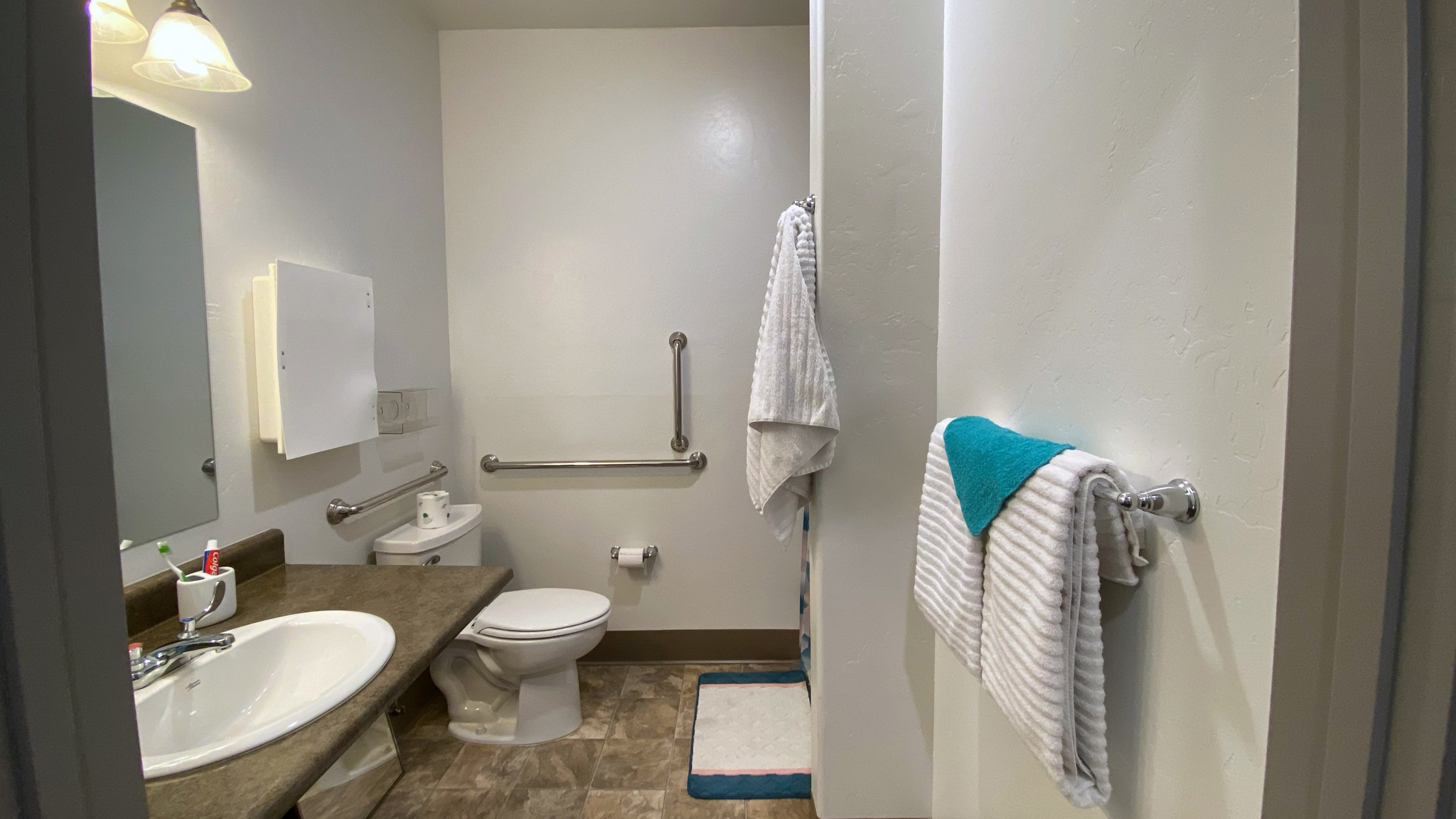
BeeHive Homes of Pagosa Springs offers private bedrooms with private bathrooms
BeeHive Homes of Pagosa Springs provides medication monitoring and documentation
BeeHive Homes of Pagosa Springs serves dietitian-approved meals
BeeHive Homes of Pagosa Springs provides housekeeping services
BeeHive Homes of Pagosa Springs provides laundry services
BeeHive Homes of Pagosa Springs offers community dining and social engagement activities
BeeHive Homes of Pagosa Springs features life enrichment activities
BeeHive Homes of Pagosa Springs supports personal care assistance during meals and daily routines
BeeHive Homes of Pagosa Springs promotes frequent physical and mental exercise opportunities
BeeHive Homes of Pagosa Springs provides a home-like residential environment
BeeHive Homes of Pagosa Springs creates customized care plans as residents’ needs change
BeeHive Homes of Pagosa Springs assesses individual resident care needs
BeeHive Homes of Pagosa Springs accepts private pay and long-term care insurance
BeeHive Homes of Pagosa Springs assists qualified veterans with Aid and Attendance benefits
BeeHive Homes of Pagosa Springs encourages meaningful resident-to-staff relationships
BeeHive Homes of Pagosa Springs delivers compassionate, attentive senior care focused on dignity and comfort
BeeHive Homes of Pagosa Springs has a phone number of (970-444-5515)
BeeHive Homes of Pagosa Springs has an address of 662 Park Ave, Pagosa Springs, CO 81147
BeeHive Homes of Pagosa Springs has a website https://beehivehomes.com/locations/pagosa-springs/
BeeHive Homes of Pagosa Springs has Google Maps listing https://maps.app.goo.gl/G6UUrXn2KHfc84929
BeeHive Homes of Pagosa Springs has Facebook page https://www.facebook.com/beehivepagosa/
BeeHive Homes of Pagosa has YouTube page https://www.youtube.com/channel/UCNFwLedvRtjtXl2l5QCQj3A
BeeHive Homes of Pagosa Springs won Top Assisted Living Homes 2025
BeeHive Homes of Pagosa Springs earned Best Customer Service Award 2024
BeeHive Homes of Pagosa Springs placed 1st for Senior Living Communities 2025
People Also Ask about BeeHive Homes of Pagosa Springs
What is our monthly room rate?
The rate depends on the level of care that is needed. We do an initial evaluation for each potential resident to determine the level of care needed. The monthly rate is based on this evaluation. There are no hidden costs or fees
Can residents stay in BeeHive Homes until the end of their life?
Usually yes. There are exceptions, such as when there are safety issues with the resident, or they need 24 hour skilled nursing services
Do we have a nurse on staff?
No, but each BeeHive Home has a consulting Nurse available 24 – 7. if nursing services are needed, a doctor can order home health to come into the home
What are BeeHive Homes’ visiting hours?
Our visiting hours are currently under restriction by the state health officials. Limited visitation is still allowed but must be scheduled during regular business hours. Please contact us for additional and up-to-date information about visitation
Do we have couple’s rooms available?
Yes, each home has rooms designed to accommodate couples. Please ask about the availability of these rooms
Where is BeeHive Homes of Pagosa Springs located?
BeeHive Homes of Pagosa Springs is conveniently located at 662 Park Ave, Pagosa Springs, CO 81147. You can easily find directions on Google Maps or call at (970-444-5515) Monday through Friday 9:00am to 5:00pm
How can I contact BeeHive Homes of Pagosa Springs?
You can contact BeeHive Homes of Pagosa Springs by phone at: (970-444-5515), visit their website at https://beehivehomes.com/locations/pagosa-springs/, or connect on social media via Facebook or YouTube
Take a drive to the Riff Raff Brewing Company . Riff Raff Brewing Company offers a relaxed dining atmosphere suitable for assisted living, senior care, elderly care, and respite care family meals.